

No questions - is that clear?
Opposition councillors are up in arms after an independent review of Newcastle City Council recommended big changes to the way the council operates.
The review, by the Centre for Governance and Scrutiny (CfGS), suggested banning opposition councillors from asking questions at cabinet meetings, reducing the number of scrutiny hearings and scrapping committees devoted to investigating the council’s finances and climate change commitments.
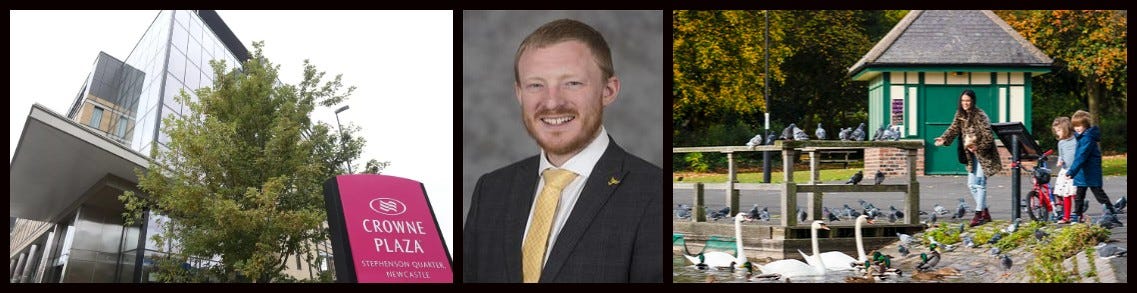
Liberal Democrat leader Colin Ferguson said the review “decimates accountability, erodes scrutiny and centralises decision making away from our communities.”
Two things.
The CfGS website says it aims to promote transparent, accountable decision-making across public services and they believe the best decisions are made when they are constructively challenged, grounded in evidence, and inclusive of diverse voices, including elected representatives and those directly impacted.
Secondly, this comes out at a time when the council continues to face questions about taking back the parks and allotments from Urban Green, has become owners of the four-star Crowne Plaza hotel, is waiting for the outcome of a bullying investigation over claims made by a senior official against the former leader, has cross-party agreement to begin an independent inquiry into the governance culture at the Civic Centre, is investigating potential fraudulent activity within its transport department, and doubts surround its ability to meet its Net Zero targets.
Councillor Ferguson said: “Newcastle City Council needs more accountability, stronger governance, and deeper engagement with scrutiny, not less.”
Check the bill
Nissan’s plant in Sunderland pays more for electricity than any other Nissan facility in the world.
Senior vice president Alan Johnson expressed concerns about the UK's competitiveness in car manufacturing at the Commons' business and trade committee meeting on Tuesday.
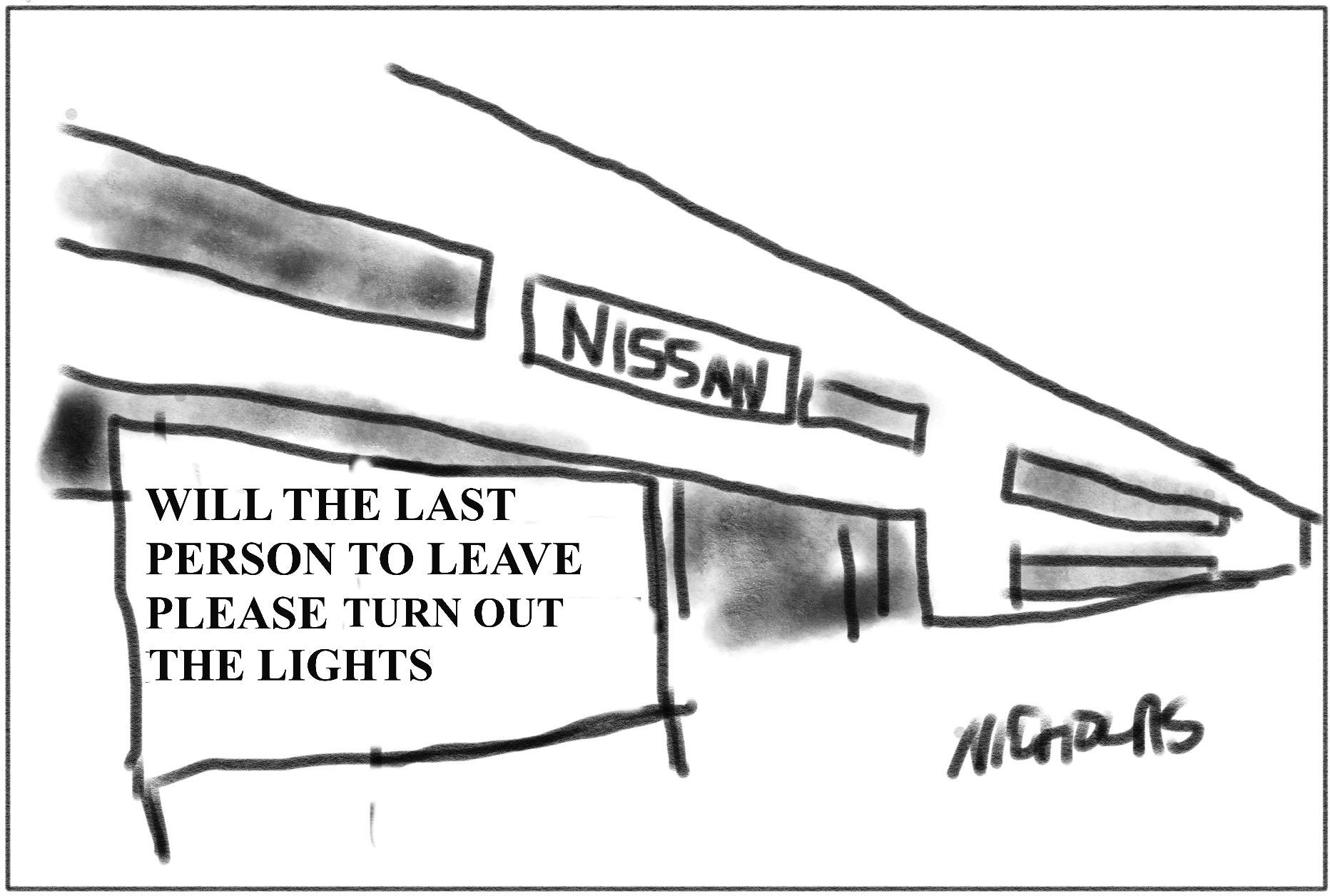
Despite the many challenges, including their electricity bill, he reassured MPs - and the 6,000 workers in the North East - that new electric models, such as the Leaf and Juke, are planned for production in Sunderland. But his comments, particularly around energy costs, need addressing.
Days earlier there was an excellent (but long) article on The Guardian’s website explaining why our electricity bills are so high - and what can be done about it.
Basically, we have an over-reliance on gas and something called ‘marginal cost pricing’, where the wholesale price of electricity is determined by the cost of the most expensive energy source needed to meet demand - and that’s typically gas.
We don’t have to stick with this system. It’s a choice. And, if we actually paid the average price of what our electricity now costs to produce, all our bills, including Nissan’s, would be substantially cheaper.
What would that do to inflation?
Talent Pool
Hartlepool is set to become a hub for the film and TV industry with plans for a film production village that will build on the success of the town’s Northern Studios, the only large-scale studio in the North East.
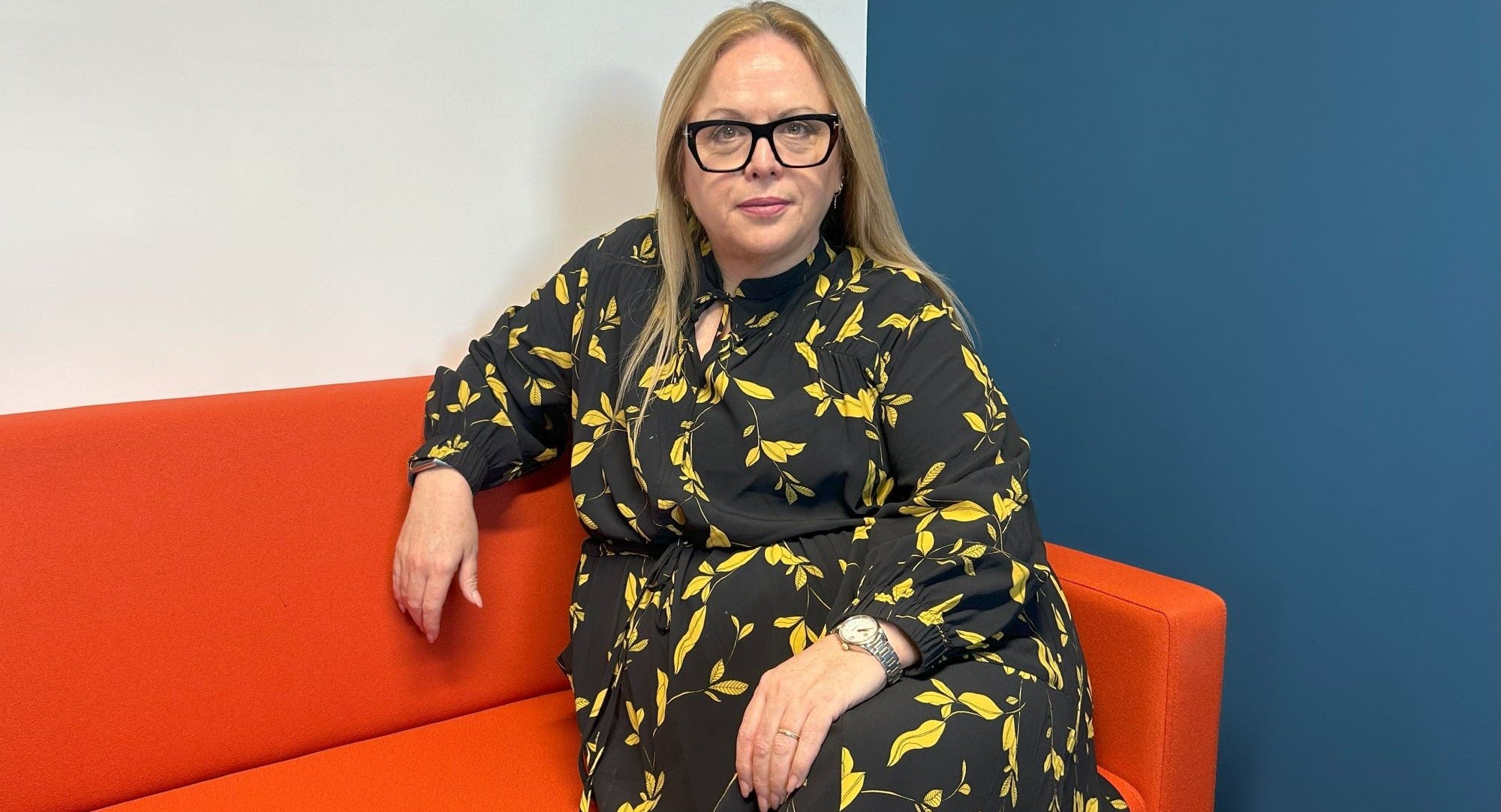
North East Screen chief executive Alison Gwynn said the expansion, thanks to £16.5m from the Levelling Up Fund (it exists!) would mean Hartlepool could “attract bigger productions with bigger budgets” and complement the planned Crown Works development in Sunderland.
“To have one studio base isn't enough to create a cluster and a cluster is the thing that's going to really create a long lasting industry in the region,” she said.
“Hartlepool is going to be based on innovation, pilots, digital, music and mid-range drama. Crown Works will be looking at multimillion-pound feature films and big, high-end dramas.”
She said there would be mid-range productions which would not be able to afford to operate in Sunderland but could work in Hartlepool.
Poverty scandal
The Newport ward in Middlesbrough has the highest levels of child poverty in the country, with six in seven youngsters living below the breadline, according to figures from the Department of Work and Pensions
A record high of 4.5 million children across the country were found to have been living in poverty in the year ending March 2024, the last full year of the previous government. That's an extra 121,000 children compared to the year before.
Andy McDonald, Labour MP for Middlesbrough and Thornaby East, described the scale of poverty as a scandal and said he would not be supporting his Government’s proposed cuts to welfare payments.
Tasers approved
The use of tasers in prisons will be trialled following the attack on three officers from HMP Frankland in County Durham by the brother of the Manchester Arena bomber.
Justice secretary Shabana Mahmood made the announcement in the Commons on Tuesday but the Prison Officers' Association said the rollout should happen without the need for a trial.
Opening hours cut
English Heritage has announced that Brinkburn Priory in Morpeth and Aydon Castle in Corbridge will open just once a month for guided tours during this summer.
Prudhoe Castle, meanwhile, will remain closed while it is decided when guided tours would start and how often they would run. The three sites had all been open Wednesday to Sunday in previous summers.
A quick word
All five new Metro trains were taken out of service yesterday after a potential door fault was identified. Newcastle music bar Prohibition will close its doors for good on July 31. Owner Mitch Mitchell, who was was instrumental in reviving the spirit of the American prohibition era in the North East, blamed escalating costs. Durham's road user charge, which covers the area near the cathedral, Market Place, Durham Chorister School, university colleges and several shops and businesses, will increase from £2 to £5 on May 6 and its operating hours will be extended by 10 hours until 2 in the morning. Darlington Borough Council is considering introducing a smoking ban at seated areas outside pubs, bars and restaurants throughout the town centre. Vaping would be at the discretion of the licence-holder. Independent charity The Friends of The Bowes Museum has agreed to close after 75 years due to a fall in income and lack of volunteers. The first phase of the construction of historical theme park, Kynren - The Storied Lands, has been approved by Durham County Council.
Centre stage

The £200m regeneration of Middlesbrough’s Gresham district will be at the centre of the Tees Valley platform at the major investment showcase UKREiiF in Leeds next month.
The Tees Valley delegation will host events from a new canal-side venue during the event on May 20-22, where they will also showcase Teesworks, the UK’s largest freeport development zone, alongside investment opportunities in Darlington, Hartlepool, Redcar & Cleveland and Stockton-on-Tees.
Call for action
A coroner has recommended the Government take action after the death of a 55-year-old man at an organised open water swimming event at Hetton Lyons Park in Sunderland in June 2023.
Joel Kenneth Ineson suffered a cardiac event while taking part. Although the safety issues raised were not found to have caused Mr Ineson’s death, Coroner David Place warned that the growing popularity of open water swimming was not matched by sufficient oversight or regulation.
The Government have until June 5 to respond, setting out what action they propose to take or explaining why none is planned.
Business bites
Dragons' Den star Sara Davies is one of the speakers at UK Startup & Scaleup Week, a new five-day business festival in Sunderland in the first week of June organised by entrepreneurs Paul Lancaster and Neil Stephenson. Lanchester Group owner Tony Cleary said pressures including global shipping disruption, volatile interest rates and political change were behind the company posting a drop in sales and profit. The family-run TWR Group, which makes aluminium and PVC doors and windows for commercial customers across the UK, has consolidated their manufacturing into a new £2m facility and head office in Sunderland. Durham-based Artech Lighting has acquired Keighley-based Powerlite Fitzgerald in a move designed to create new opportunities for both businesses at home and abroad. Plans to create an Energy Central Campus Institute on the site of the former Keel Row Shopping Centre in Blyth have been approved by Northumberland County Council.
THE WIDER VIEW

Something new from a 234-year-old
Today sees the biggest online newsbrand launch in the UK for some years as the 234-year-old Observer, the world’s first Sunday newspaper, begins life under new owners Tortoise Media.
Their website Observer.co.uk went live today and Sunday will see the first print edition since the title left The Guardian stable. Richard Furness, co-CEO of Tortoise Media, told Press Gazette that they have been talking about better quality and providing more for readers and advertisers.
“It feels like quite a unique conversation that we’re having in this building at the moment.”
He said it, not me.
1994 ad break
Delighted to say that I’m now getting requests for classic ads. Keep ‘em coming! I’ve even been told I haven’t featured the best Guinness one yet.
Here’s another contender from 1995 featuring the mambo music of Perez Prado and Joe McKinney as ‘The Dancing Man’, who was waiting impatiently for his pint to settle. It was the final advert released as part of the Guinness advertising campaign, which had been ongoing since the 1980s.
TV drama that gripped millions
It was 40 years ago on a Sunday night that ran into a Bank Holiday Monday morning. And 18.5 million people, one third of the entire UK population, were still up and glued to their TV sets watching BBC2.
The numbers and statistics seem incredible now, especially to anyone under 50, but the nation was hooked by the final of the World Snooker Championships where victory hinged on potting the final black ball in the final frame.
This year’s championship is nearing the halfway point at the Crucible Theatre in Sheffield. In 1985, the final pitted world No.1 Steve Davis against the more senior Northern Irishman Dennis Taylor, famous for his ‘upside-down’ spectacles.
To say it was one of the most famous and dramatic sporting occasions in the history of British sport - and certainly televised sport - is not hyperbole, says Nick Harris in his excellent and insightful Substack column.
The bare statistics of the TV audience remain jaw-dropping. It was the largest post-midnight audience for any programme on any channel in the UK, and remains so.
The first prize was £60,000, among the biggest pots in any individual sport at the time. The runner-up earned £35,000. Snooker wasn't just at its zenith, but was centre stage on TV in an age when home computers were rare, mobile phones were virtually non-existent, and Google, Twitter and texting were all decades away.
Britain had four TV channels, with the youngest, Channel 4, in its infancy. What could a family do together on a Sunday night? Watch television. The biggest weekend TV shows were That's Life, The Two Ronnies, Last of the Summer Wine and Open All Hours - and, for one amazing weekend, the World Championship snooker final.
Spoiler alert: Taylor won.
A little bit of arsenic…
You may have seen the scary headlines about an American study that found brown rice contains arsenic. No need to worry, says Iain Brownlee, Associate Professor, Nutrition, at Northumbria University writing in The Conversation.
It seems some news outlets chose to downplay the study’s reassuring conclusion that the amount is far below any level considered risky for human health.
Health risks don’t come from what’s in our food in tiny amounts – they come from our everyday choices. The vast majority of people in the UK don’t eat enough fruit, vegetables and whole grains – and that’s a much bigger problem, he says.
“Poor diet is a bigger cause of illness and early death worldwide than smoking or alcohol. Two of the top dietary risk factors? Eating too much salt and not enough whole grains.”
Tuck into that brown rice.
The magic of beavers
Beavers are back in England. Last month the National Trust released the first officially sanctioned, unfenced beavers into the English countryside in more than four centuries.
Here is a lovely read from Adam Ramsay who recalls how his parents’ adoption of beavers 20 years ago - after a bit of a struggle! - transformed their land in rural Perthshire from a low-productivity upland farm criss-crossed with drainage ditches, into a rich, biodiverse wetland, a haven for birds, mammals, fish and amphibians.
Why did we ever decide to get rid of beavers?