

Government reviews seem to be everywhere at the moment.
Alan Milburn’s recommendations on what we should do with young people not in employment, education or training are expected to be published next week.
There’s also an official review taking place into the structure of our police forces. The starting premise is that we need fewer forces. The chief constables don’t seem to mind. Not everyone is happy though, including North East Mayor Kim McGuinness whose comments gave me today’s main headline.
Then there’s Baroness Louise Casey’s independent commission into the social care system. Successive governments have been asleep at the wheel. No one is in charge. Pretty damning stuff.
Hadrian’s Wall is getting £5.7m, drones are going to be catching illegal tobacco dealers and delivering more parcels to a lot more homes, and Newcastle Building Society has passed the £2m mark with its grassroots awards - just in time for the 10th birthday of its community fund.
You’ll have heard of the Pitmen Painters. What about the Pitmen Naturalists (not naturists - that’s something completely different!). Tony Henderson can tell you all about them.
And David Whetstone brings the sad news that Peter Stark, a key figure in shaping the region’s current arts landscape, has died aged 80.
Brian Aitken
Editor
‘No one is in charge’
One company, two clients and a 40% price difference for providing the same service. That sounds very wrong - but we are talking about adult social care.
Prime Minister Andy Burnham has made it clear that he is not afraid to grasp the nettle of social care system change. Baroness Louise Casey, who is leading an independent commission into the sector, spoke this week at the National Children and Adult Services (NCAS) Conference in Liverpool. She did not hold back.
“Successive governments have been asleep at the wheel,” she said. “In research we’re publishing today the lack of ‘stewardship’ of social care comes through clearly. No one is in charge.”
Research commissioned by her team laid bare the chaos in the system, which is dominated by private providers in a “largely uncontrolled and unintended way”. There is also a lack of transparency over the fees charged by adult social care providers in England, with people paying for their own care on average paying 40% more than local authorities for the same service.
Casey is due to deliver her report to Burnham in the summer. Her words in Liverpool had a note of optimism: “Together, we can build a new settlement for care. One based on values I still believe this country shares: decency, contribution, and a duty to care for our neighbours, our loved ones and ourselves.”
Bob Hudson, a regular columnist in The Source, delivered his verdict on Twitter…
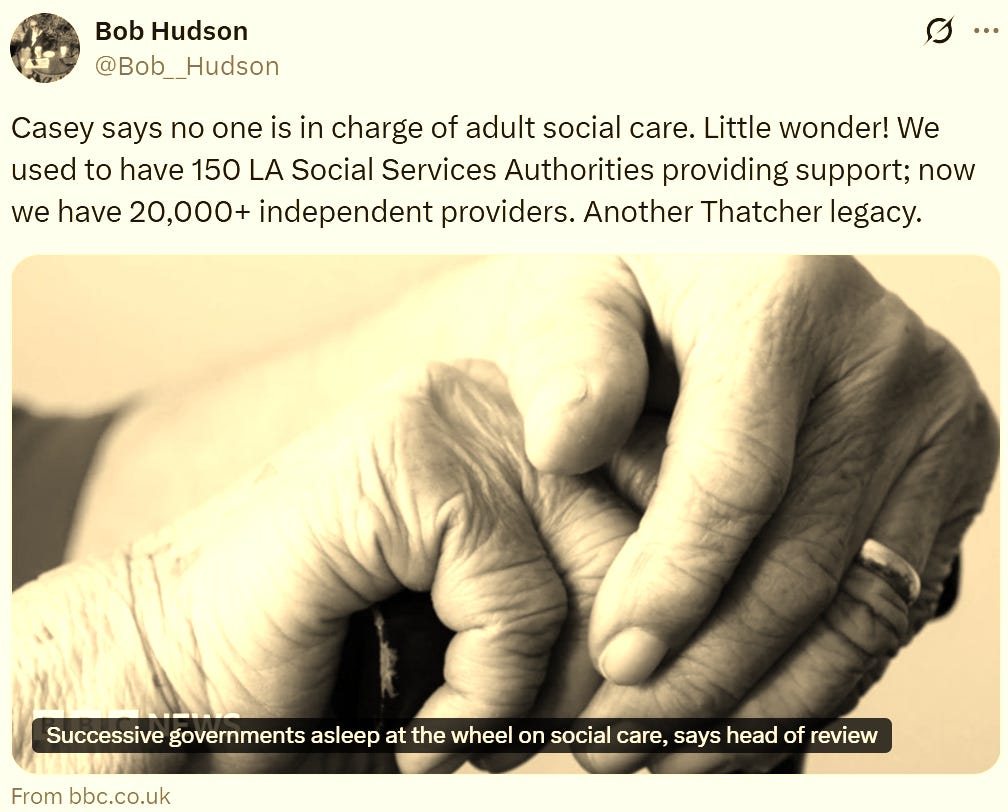
Bob last wrote on the subject on August 10 (How much do we care?). Adult social care is everyone’s business, he said. But will it ever be fixed? He then highlighted 10 dilemmas awaiting resolution.

Preach of the peace
Metropolitan police commissioner Mark Rowley has spoken in favour of reducing the number of police forces in the country from 43 to around eight to ten.
That’s not gone down too well with everyone in the North East. Cleveland chief constable Victoria Fuller is fine with it and thinks it could be the way forward. But police and crime commissioner (PCC) Matt Storey said: “Communities are not asking for police force mergers. They are asking for more neighbourhood officers, safer streets, visible policing, better support for victims and more offenders to be brought to justice.”
Rowley wasn’t suggesting something new. Home Secretary Shabana Mahmood announced plans in January to radically reduce the number of police forces in England and Wales and commissioned an official review.
It had already been announced that the PCC roles will be abolished in 2028 and replaced by mayors or a policing and crime board. North East Mayor Kim McGuinness used to be a PCC. She said: “A locally accountable police force is the cornerstone of the criminal justice system, and we have to be very careful about undoing a model which has underpinned successful British policing for generations.
“What we definitely do not need is the head of London’s very troubled police force coming north and telling us how policing should work. The Met is not in a position to preach to northern police forces.”
Taxing times
Council tax in Newcastle will rise by the maximum 4.99% next year and more than 300 jobs will be cut as civic leaders try to close a deficit of more than £47m by 2030.
Council leader Colin Ferguson said: “This is a time of opportunity for Newcastle, with an increased profile on the international stage, major regeneration and investment plans under way and the most devolved power and autonomy our region has ever seen from national Government. Our council must be financially strong to capitalise on these opportunities and drive our city’s sustainable growth development.”
£5.7m for Hadrian’s Wall
Hadrian’s Wall is to benefit from a £5.7m investment programme which will deliver new signage, improved walking and cycling connections, digital information hubs and interactive heritage experiences across the World Heritage site.
In Northumberland, plans also include a new 1.94km cycle route alongside the Military Road, connecting Hadrian’s Wall to the Reivers Trails network, Kielder Water and Forest Park, the Pennine Cycleway and Haltwhistle’s active travel hub.
Council leader Glen Sanderson said: “Securing this investment is a landmark moment for Northumberland and a prime example of how the Borderlands Inclusive Growth Deal delivers targeted economic impact for our rural communities.
“This strategic investment ensures we aren’t just preserving Roman heritage, but we’re building a world class, eco-friendly destination that encourages longer stays, boosts local businesses and drives sustainable growth for generations to come.”
Has she got news for you
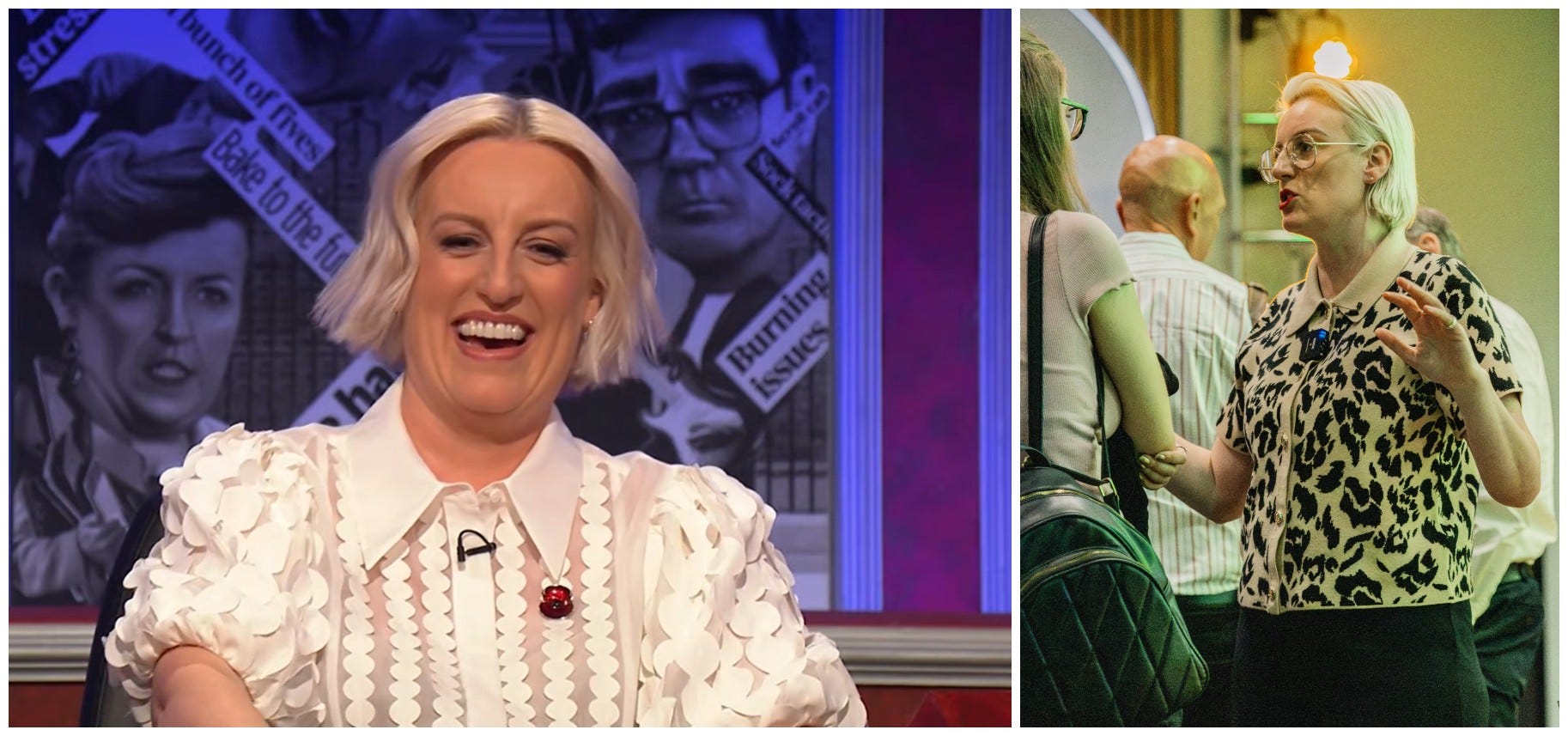
Steph McGovern was on our screens last Friday keeping order within the disorder of Have I Got News For You, a programme I never tire of watching. Wasn’t she great?
The co-host of the podcast The Rest Is Business with Robert Peston is investing in The Source and helped us launch the brand at the Catalyst in Newcastle a few weeks ago. She was great there too.
You can help us grow The Source by liking and sharing this edition - and maybe even upgrading to a paid subscription? Now that we are publishing every Monday, Wednesday and Friday, it means you can take out an annual subscription for under 45p an edition.
A life well lived
Peter Stark OBE, the influential former director of Northern Arts – the regional arts body before it was merged with the national Arts Council England in 2002 – and a key figure in shaping the region’s current arts landscape, has died aged 80.
He was diagnosed with a malignant, inoperable brain tumour at the end of August and died peacefully on Monday at Marie Curie Hospice. David Whetstone has more in The Wider View section towards the end of this edition.
Green for growth
Eight North East businesses have been selected to share £1.87 million in funding to develop innovative technologies aimed at accelerating growth in the offshore renewable energy sector.
The companies are the first to join the North East Offshore Wind Innovation and Demonstration (NEOWIND) programme, delivered by the Offshore Renewable Energy (ORE) Catapult and funded by the North East Mayoral Strategic Authority.
Claire Canning, head of supply chain excellence at ORE Catapult, said: “These eight ambitious companies demonstrate the innovation we need to make clean power a reality, and we look forward to supporting them over the next few years within the NEOWIND programme as they develop their technologies – to support the industry, boost the local economy and support the wider supply chain.”
The successful businesses are Succorfish, TRL 9 Ltd, Kinewell, SeaThor, H2CHP Ltd, Spirit Advisory, Acuity Robotics and Sensing 360.
The Port of Blyth has unveiled its Future Ready strategy, a programme of investment of up to £200m designed to transform the port's infrastructure and strengthen its position as one of the UK's leading offshore clean energy hubs.
Air deliveries extended
Amazon’s drone delivery pilot scheme (that sounds odd) in Darlington is being extended from 600 households to 8,000 after Civil Aviation Authority gave permission for them to fly further and across urban areas.
Theunis Scheepers, Amazon’s director for Prime Air in Europe, said: “This is the foundation for the future of delivery, and for customers it means getting the things they need quickly, safely and reliably. This is just the beginning for Prime Air in the UK.”
Talking of drones…
A drone bought by North Tyneside Council is being used to tackle the sales of illegal tobacco across the region. The council’s Mark Duffy told a regional Trading Standards committee that the drone’s built-in camera is so powerful it can make out the difference between plain and branded tobacco packaging and read number plates from a height of 120 metres. The committee was told the drone could be used for other investigations.
Nurdle impact research
Research into the effects of June’s huge nurdles spill at Port of Tyne on animals, birds and fish will be carried out for the next year after funding of £82,000 was secured the Natural Environment Research Council.
The research is being led by a team of scientists and experts at Newcastle University and the University of Liverpool. They are being assisted by volunteers and other regional organisations such as Environment Agency, Tyne Rivers Trust and Groundwork North East and Cumbria. The research will also look to map the travel of the plastic pellets.

Above is the edition which took a closer look at the shipping accident which caused a billion tiny plastic pellets to be released into our waters.
Network news
The North East did not do very well out of the Government’s £6m Local News Fund awards, as reported in Wednesday’s edition (Defence, quality and the five grand challenge).
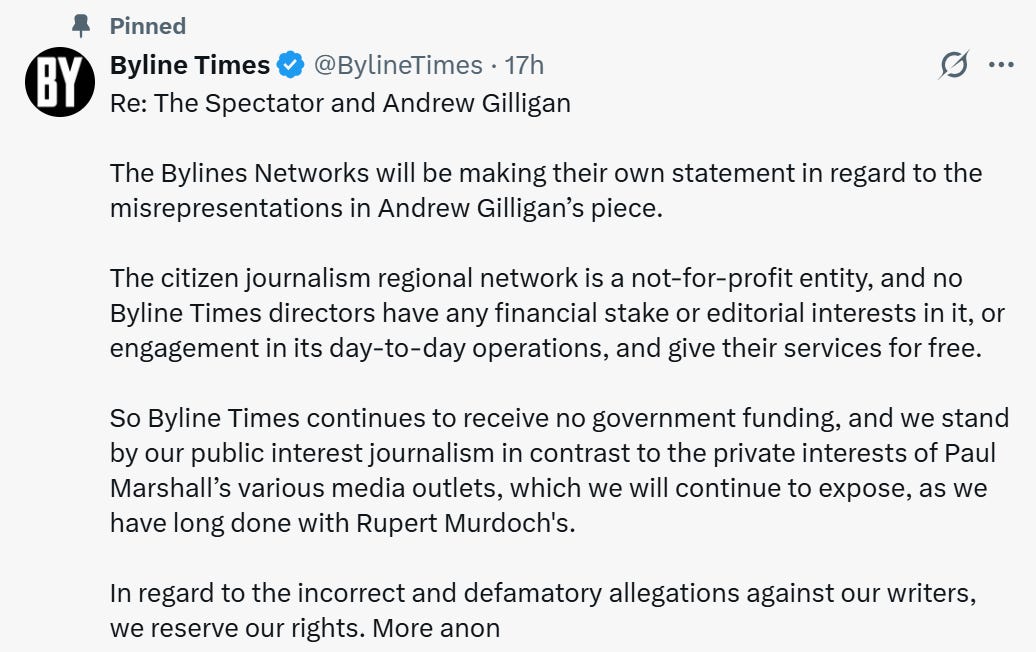
While there was no trace of bitterness from me at the judges’ failure to recognise the compelling case for making a modest award to The Source, I reported that The Spectator called in to question two awards totalling £260,000 to Bylines Networks, an organisation which runs 10 citizen journalism sites in the UK and is a sister organisation to Byline Times.
The headline on the article by Andrew Gilligan read ‘Why is Labour funnelling money to Bylines Networks?’ We may not have heard the last of this, as you will see from the Tweet below - with the network being run as not-for-profit. The Paul Marshall mentioned in the Tweet, by the way, is the owner of The Spectator and a major funder of GB News.
A quick word
Prime Minister Andy Burnham will meet with hospital bosses over a long-promised but still undelivered accident and emergency department extension at University Hospital North Durham. His promise came after Durham MP Mary Kelly Foy raised the issue at PMQs on Wednesday. A hub aimed at tackling anti-social behaviour has officially opened at South Shields transport interchange. The South Tyneside engagement and partnership (STEP) team, comprised of Northumbria Police, South Tyneside Council and Nexus staff, is based at the former Nexus Travel Centre and was created in response to concerns about anti-social behaviour and crime in and around the area. Gateshead Council chief executive Dale Owens has been lined up to take over from North Yorkshire’s Richard Flinton when he retires from the council next year. Sunderland councillor Glenn Gibbins has been expelled from Reform UK and urged to stand down after being convicted of making “grossly offensive” comments on Facebook about the city’s Nigerian community. The numbers of puffins breeding on the Farne Islands fell this year. The latest census reveals a difficult year for some of the islands’ best-known seabirds - but conservationists have also found reasons for optimism. Four former council leaders were among the family members, friends and colleagues who attended a memorial service for Jeremy Beecham at Newcastle Civic Centre. Eleven more people have been arrested over disorder in Meadow Well in North Tyneside on Bonfire Night. Fireworks and bricks were launched at emergency services with the planned disorder linked to misinformation that a building would be used to house asylum seekers. Longlands Care Home in Middlesbrough was given a food hygiene rating of one out of five, the second lowest score given by the Food Standards Agency, and told there needed to be a “major improvement” in how it manages food safety.
The pits: workplace and classroom
You’ll have heard of the Pitmen Painters. But what about the Pitmen Naturalists? A new booklet celebrates the North East miners who became self-taught naturalists, uncovering prehistoric creatures and making significant contributions to science.
Their finds ended up in collections, such as those in the Great North Museum: Hancock in Newcastle and Sunderland Museum. But although pitmen painters and poets have won wide acclaim, the naturalists have been largely forgotten. Until now.
Maureen Flisher, a volunteer with the Natural History Society of Northumbria (NHSN) based at the Great North Museum, has spent years researching NHSN archives to write a booklet on five representative pitmen-naturalists and their achievements.
“I used the extensive archive material to reveal the lives of a group of miners who developed a profound interest in geology, palaeontology and microscopy (the use of microscopes to advance their studies),” she said. “These men lived hard lives, entering the mines as boys. Somehow they found the time to educate themselves and in doing so make serious contributions to the life sciences.”
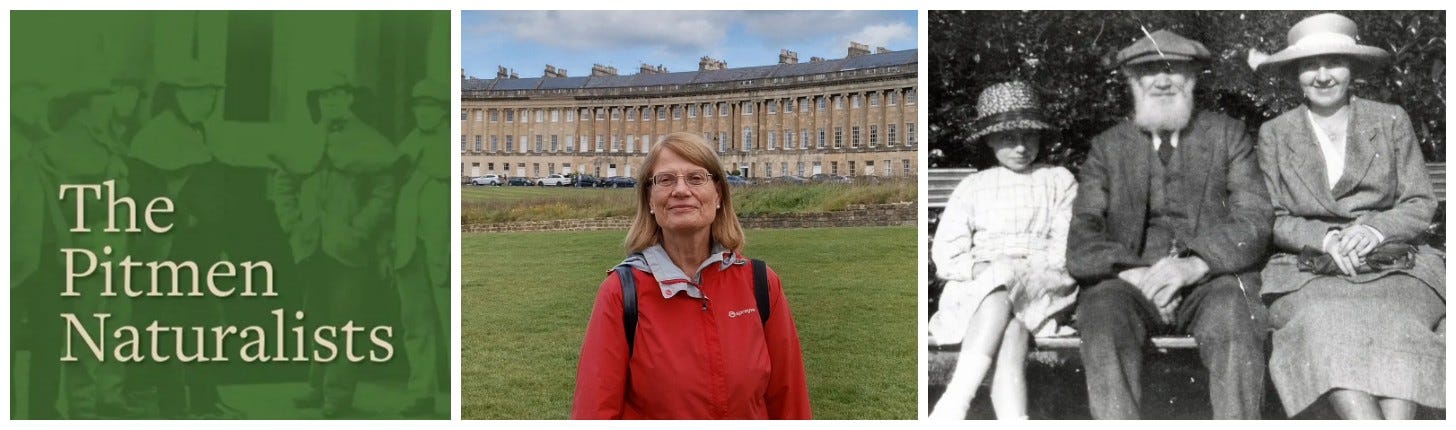
The NHSN, which commissioned The Pitmen Naturalists booklet, said: “At a time when access to formal education was limited, they taught themselves to observe, collect and interpret the natural world, contributing to the developing sciences.
“The coal seams and spoil heaps of Northumberland and Durham revealed traces of ancient worlds in fossilised plants, fish, amphibians and other remains from the Carboniferous period. The coalface became both workplace and classroom.
“The Pitmen Naturalists shows that the story of science in the North East was shaped not only by gentlemen naturalists and professional scholars but also by miners whose knowledge came from lived experience and relentless self-education. Their lives speak to the importance of working-class heritage. We see men whose working lives took them underground but whose minds travelled across deep time.”
Tony Henderson has more on this story here.
£2m in 10 years
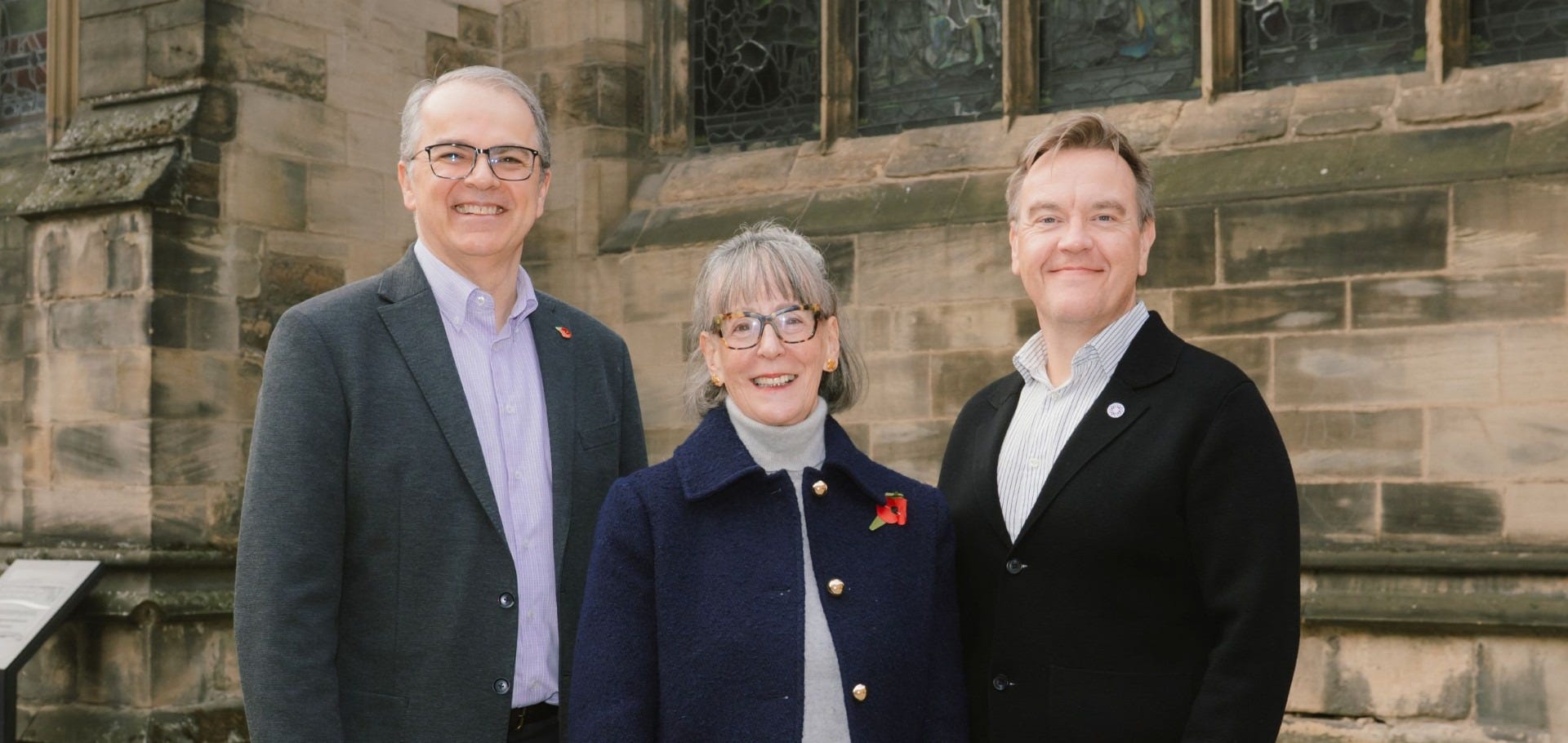
Awards to charities and grassroots organisations made by Newcastle Building Society has broken through the £2m mark - almost exactly 10 years to the day since their Community Fund at Community Foundation North East was set up.
The milestone was celebrated at a special event at Café 16 in Newcastle Cathedral, bringing together representatives from some of the 534 organisations that have benefited from the fund. Operated by The Oswin Project, one of the fund’s beneficiaries, the café provides employment and training opportunities for people with criminal records.
The building society’s wider commitment to community investment also includes long-standing partnerships with the Sir Bobby Robson Foundation, the Newcastle United Foundation and Citizens Advice Gateshead.
Books, music and charity
Sunderland author Glenda Young is preparing to launch the paperback edition of her latest cosy crime novel at a hometown concert raising money for a North East children’s charity.
Music to Die For at the Seaview Hotel, the fifth book in her popular series of Scarborough-set mysteries, will be published on December 3, with a special launch taking place three days later at The Fire Station in Sunderland.
The launch will coincide with the Music Against Child Poverty concert on December 6, with all profits from the gig, along with proceeds from Glenda’s book sales on the night, going to North East baby bank charity Love Amelia.
Business bites

A former British Army intelligence operator has secured £1m in funding to expand his tech platform that crowdsources intelligence to identify security threats around the world. Michael McCabe, founder and chief executive of Crowd Threat, previously founded Intelligence Fusion, which was acquired by Sigma7 in 2022. The investment comes from the North East Accelerate Fund, managed by Mercia Ventures, and PXN Equity Finance. Tier One Capital has rebranded its wealth management division as Vela Wealth, creating a distinct identity for its financial advice services. Based in Seaton Burn, Vela will be led by chief executive Ian McElroy, MD Jess Swindells and head of wealth management Paul Blight. Tier One Capital Fund Management will retain its existing name and continue managing funds, including its role as fund manager for London Stock Exchange-listed Develop North. Fourteen workers at Molson Group’s depot in Darlington have been made redundant after the Bristol-based machinery dealer went into administration. Filtronic has secured a follow-on contract worth more than £2m with a US-based satellite communications customer. Chief executive Nat Edington said: “Securing this follow-on contract reflects the strength of our growing relationship with the customer and their continued confidence in our technical expertise and delivery capabilities.” EasyJet is celebrating 25 years of flying from Newcastle International Airport. During that time it has carried more than 22 million passengers and more than quadrupled the number of routes on its network to 32. The airline surprised passengers with branded cookies and announced a competition to win two free flights.
Break from the ad break
I’m taking a break from the usual nostalgic TV ad break this week to bring you a sketch from Charlie Brooker’s Election Wipe TV special from 2015. You’ll understand why I’m showing you this when I tell you it stars the very talented Morgana Robinson as the country’s new Prime Minister… a certain Russell Brand. You’ll never guess what he gets up to with Putin’s granddaughter!
The real Russell Brand, meanwhile, appears to have earned more than £7m from social media, merchandise and gambling advertising in the months leading up to his prison sentence for rape and sexual assault.
He has amassed more than 23 million followers across five social media platforms, and analysis from influencer marketing analytics firm CORQ, finds he may have earned £6.75m from subscriptions on one platform alone.
THE WIDER VIEW

Peter Stark: a man who made things happen
By David Whetstone
The death has been announced of Peter Stark OBE, influential former director of Northern Arts – the regional arts body before it was merged with the national Arts Council England in 2002 – and a key figure in shaping the region’s current arts landscape.
Peter’s energy and foresight, according to successor Andrew Dixon, ensured that when the National Lottery started in 1994, generating money for good causes, the North East was primed to make its pitch.
The following year, The Case for Capital was given a high profile London launch. Based on research Peter had initiated, it called for significant investment in the North East arts infrastructure to redress a startling national imbalance.
This would result in ambitious projects such as Baltic Centre for Contemporary Art, The Glasshouse International Centre for Music and Gateshead Millennium Bridge, along with other initiatives.
It would see more than £200 million being invested to bring about what some have called a renaissance in the region, making it a case study for culture-led regeneration projects around the world.
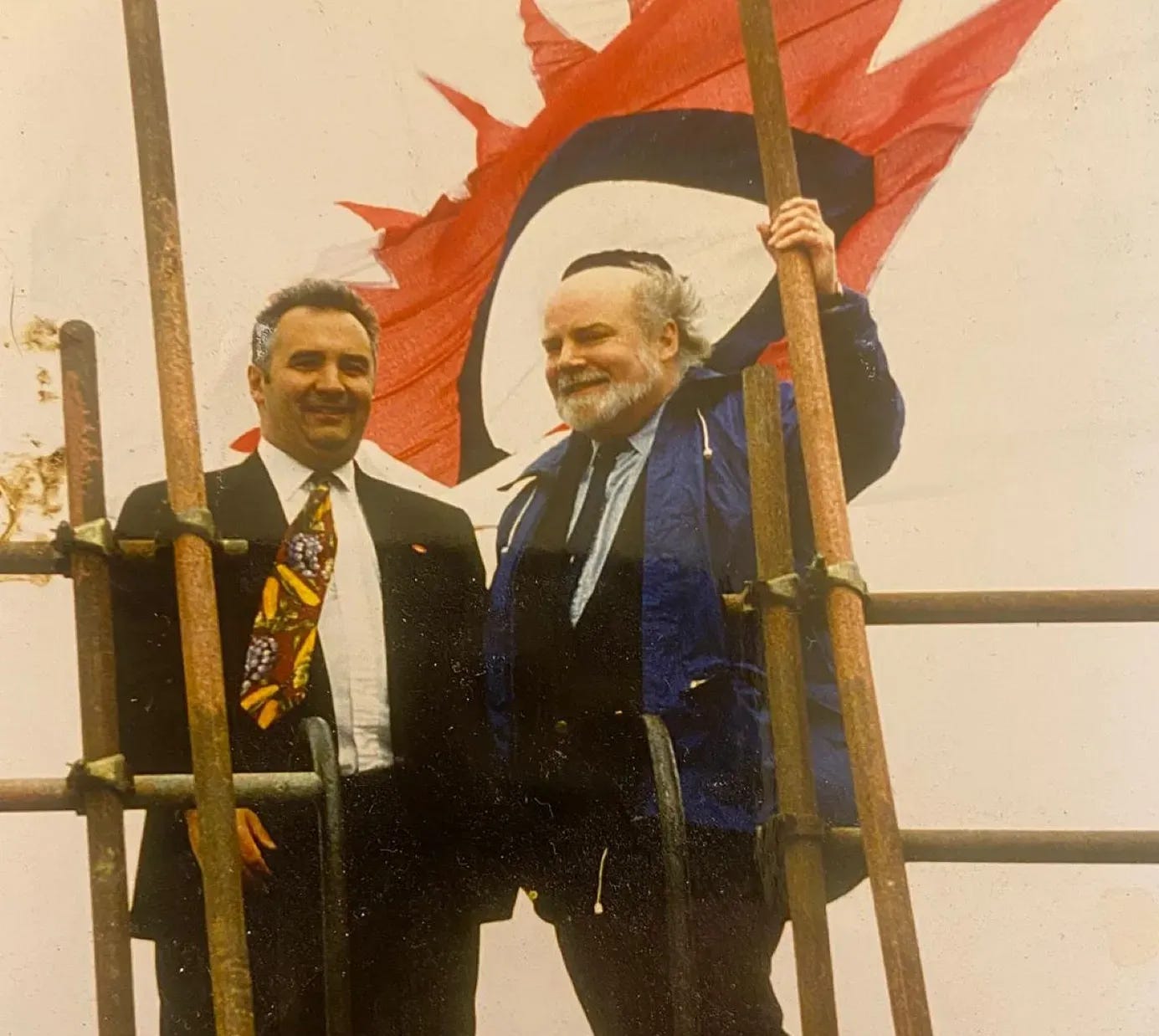
Closer to home, it boosted North East participation in the arts, increased its popularity as a tourist destination and fuelled the ambition that would lead to Newcastle and Gateshead jointly bidding to be European Capital of Culture 2008. That prize eventually went to Liverpool but much of the North East programme went ahead anyway.
Peter Stark was head of Northern Arts from 1984 until 1992, when he was succeeded by Peter Hewitt who eventually moved on to be chief executive of Arts Council England.
Andrew Dixon, who succeeded Peter Hewitt in 1997, said: “I’m very keen that Peter gets due recognition for everything he’s done. I don’t think a lot of people now realise how significant he was to the North East.”
You can read David’s full tribute to Peter, including more from Andrew Dixon, Ros Rigby and a message from his wife, Sue, and daughter, Kylie Lloyd, executive director of balletLORENT, in Cultured. North East by clicking here.
The temporary musical genius
A normally mild-mannered teacher sustained a brain injury in a motorcycle accident in Tennessee. He woke up a changed man - not just personality-wise but he’d developed perfect pitch: the ability to name any note on hearing it, with no reference point. In short, a musical genius.
Something remarkable had happened, something that would land Edward Freytag in the annals of neuroscience case history.
A month after the accident, he spotted an unfamiliar file on his computer called Brain Bleed, containing 50 pages of music that he had no memory of writing. His wife Joanna told him he had been rising at about 2am and silently sitting down to compose. A second, equally creative piece followed over the next few months. He couldn’t wait to see what would come next
But nothing came.
As his brain healed, he gradually went back to being his old, mild-mannered 66-year-old self and his perfect pitch and creative flair faded along with his impulsiveness. Musically, he says, nothing he has written since comes close. He told the New York Times: “Sometimes, I say to Joanna ‘can you just sneak behind me and hit me on the head’?”