

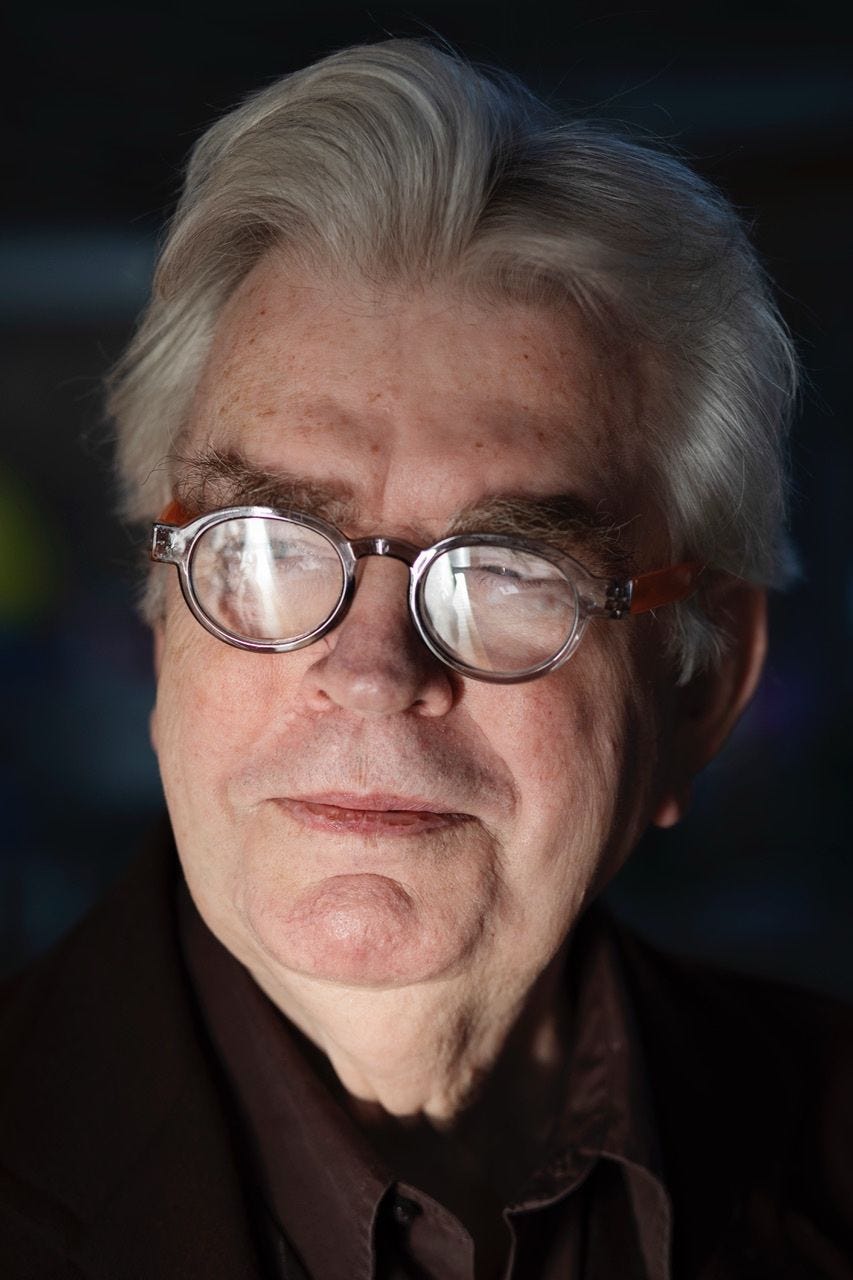
He was a “maverick, radical and non-conformist” who relished being outside the architectural establishment, said his family. He was arguably the most influential and prolific of the architects associated with the British postmodern movement, said The Guardian. The Planner noted his championing of social mobility and critique of the UK class system.
Sir Terry Farrell, who has died aged 87, was also one of our own.
He was born in Sale, Cheshire, in 1938 but moved to Newcastle as a child where he attended St Cuthbert’s Grammar School. He studied architecture at the Newcastle University School of Architecture, Planning and Landscape, graduating in 1961.
Knighted in 2001, he is known for major projects such as the Charing Cross Station redevelopment in London and the M16 headquarters on the south bank of the Thames which features in James Bond films.
There’s also the Edinburgh International Conference Centre, and the TV-am studios with its row of egg cups atop what had been a Victorian canal-side warehouse in Camden Town. By the mid-1990s he would claim that he had designed more buildings in London than Christopher Wren.
Sir Terry, who is survived by his third wife, five children and step-son, is also known for international works such as Beijing South Railway Station, Hong Kong’s Kowloon Station, and the KK100 tower in Shenzhen, the world’s tallest building by a British architect.
But he has left a lasting architectural and civic legacy in his adopted city through the regeneration of the Quayside, the International Centre for Life, and the Great North Museum: Hancock.
Sir Terry donated his archive to Newcastle University rather than to the national institutions who courted it, and also gave £1m so that the Farrell Centre could open in 2023.
He had a deep affection for the North East and it is said that his upbringing influenced his sensitivity to industrial heritage and regeneration projects.
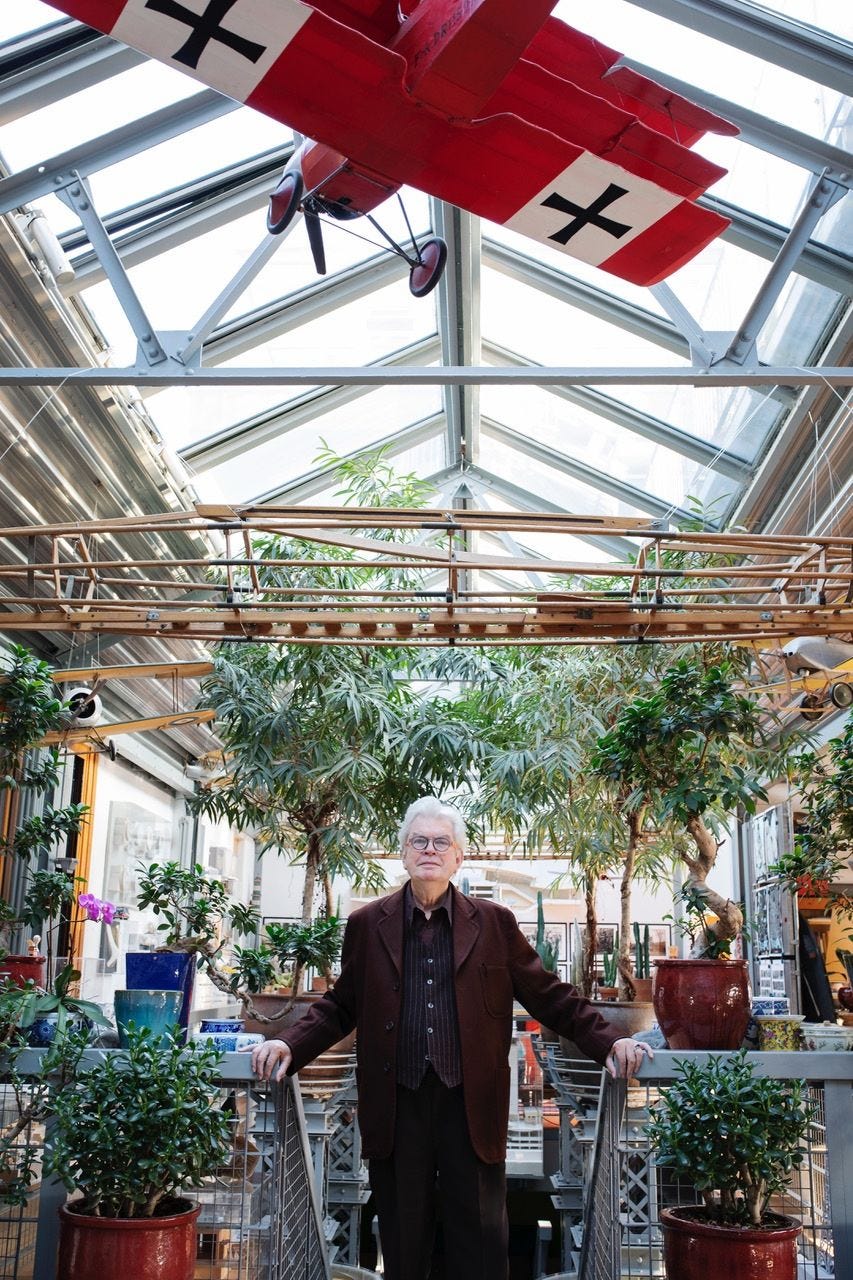
Centre for Life chief executive Linda Conlon said: “Terry was the visionary architect behind the Centre for Life and his creativity, and innovation shaped not only our building but also the experience we share with every visitor who walks through our doors.
“As a youngster Terry would regularly catch a bus from the site that has become the Centre for Life and he was proud to later design our iconic building.
“Terry was one of the UK’s leading architect planners but remained proud of his North East roots, also leading on the regeneration of Newcastle Quayside in the 1990s, turning a derelict area into a thriving place for living, working and socialising.
“He was a real gentleman and a pleasure to work with and his legacy lives on in the spaces he created and the inspiration they continue to spark.”
Professor Chris Day, Vice-Chancellor and President of Newcastle University said: “I was deeply saddened to hear of the passing of Sir Terry, a visionary whose influence on architecture and urban planning has left an indelible mark both in the United Kingdom and across the globe.
“Sir Terry’s work was distinguished not only by its bold creativity and postmodern flair, but also by a profound understanding of place, context, and community.
“As a Newcastle University architecture graduate, he remained a passionate advocate for architectural education throughout his life. His commitment to inspiring young talent led to him becoming a visiting professor in the School of Architecture, Planning and Landscape in 2016.
“Expressing his enduring pride in and support for the university, he generously donated his extensive archive to the university in 2018. The Farrell Centre, which opened in 2023, is a space dedicated to public engagement, critical debate, and innovative thinking about the built environment. It stands as a living embodiment of his belief that architecture should be accessible, inclusive, and rooted in community - a belief that we share with pride.
“From the iconic MI6 Building in London to the regeneration of Newcastle’s Quayside, Terry’s designs consistently reflected a commitment to revitalising urban spaces and making them more vibrant, inclusive, and sustainable.
“His legacy extends far beyond the buildings he designed. As a mentor, author, and advocate for thoughtful urbanism, Sir Terry inspired generations of architects and planners. His contributions to education and urban discourse will continue to shape the future of architecture and city-making for years to come.”
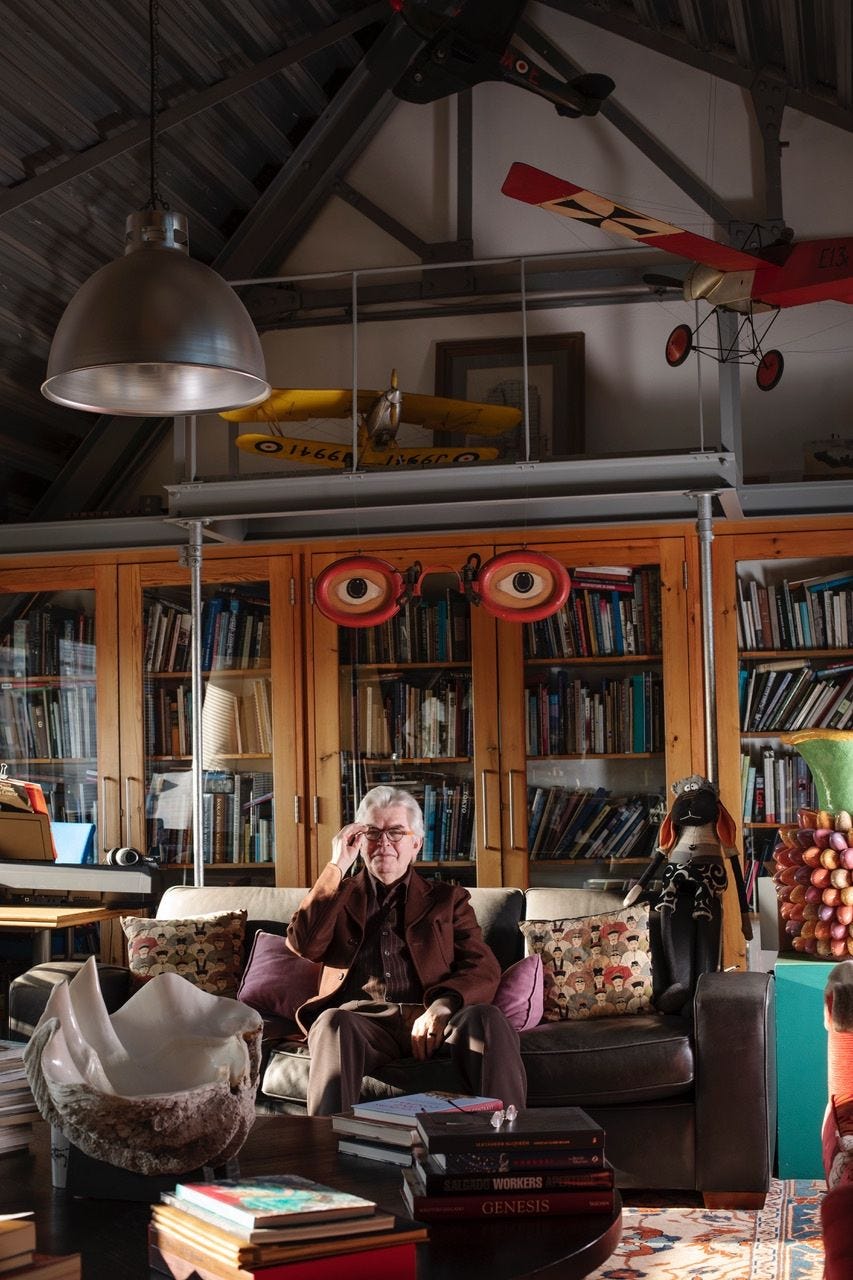
Alastair Balls, chief executive of the Tyne & Wear Development Corporation from 1987–1998, and the first chief executive of the Centre for Life, said: “Tyne and Wear Development Corporation saw him as the natural choice for designing a revived Newcastle Quayside - which he developed in a widely-admired style to incorporate the best of the old with bold ideas for the new.
“As that moved to completion he was asked to turn his attention in 1996 to designing the International Centre for Life on a site next to Central Station to incorporate Newcastle University’s rapidly emerging world class Genetics and Life Sciences research with a science centre aiming to explain the wonders of new scientific discovery to a 21st century generation of youngsters. Some have seen its design as somewhat whimsical but it remains popular and has stood the test of time.
“He was a great follower of the Scottish biology academic D’Arcy Wentworth Thompson who in 1916 wrote his famous volume On Growth and Form which seeks to explain that shapes in nature are based on sound mathematical principles. He focused in particular on spirals such as the horns of ruminants, shells of mollusks and sunflower florets which he claimed followed logarithmic patterns. Terry copied this in the design of the Centre for Life, employing the halved shell of a Nautilus - a factor which is best understood viewing the site from the air!
“Terry belied the traditional image of the ‘high falutin’ architect out of touch with the interests and preferences of ordinary people. He was full of ideas which would make people sit up and think and ultimately enjoy. Personally, he was always larger than life, somewhat mischievous and with a twinkle in his eye.
“He had a capacity for making friends of all kinds. He never turned his back on his roots – indeed he eagerly embraced them. He had a particular pleasure in the Geordie vernacular, and he could quote this section from Exodus in the Geordie Bible on the Israelites crossing of the Red Sea:
Whey man ya wadn’t credit it. The waters parted. Thor was a wall o watter on the other. So ther wez ne call to plodge ower. So off sets the Israelites ahint Moses; and efter them, het-foot across the scaadin’ hot sands comes Pharoah and his lads. “hey up” sez Pharaoh “noo we’ve got them” so he get his lads te whip up thor cuddies , tappy lappy ower the bed o’ the Reed see.'
“He exemplifies the best in 20th and 21st century urban regeneration thinking and doing.
“As one of them, he enriched the lives of all Tynesiders.”